6 Seamless Patterns Painted Easter Eggs: A Practical Guide to Incorporating Springtime Elegance into Your Projects
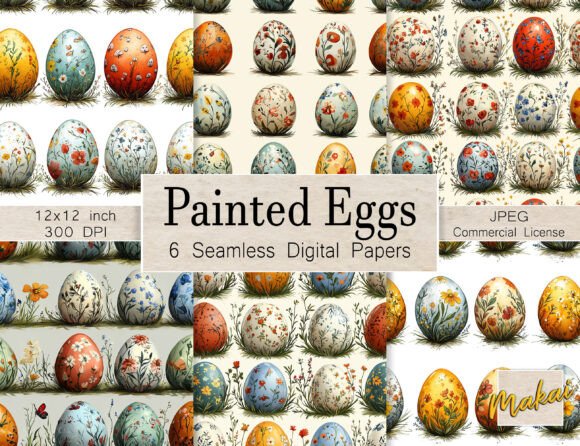
The 6 Seamless Patterns Painted Easter Eggs collection is a curated set of digital designs that bring the charm and color of spring into your creative workflows. Each pattern features hand-painted eggs adorned with delicate floral and botanical motifs, rendered in soft pastel tones that evoke the spirit of Easter and nature. These patterns are delivered as high-resolution JPEG files (3600 x 3600 pixels), sized for versatility and compatibility across a range of applications. Whether you're designing packaging, stationery, or fabric prints, this resource offers an elegant and seamless way to elevate your work.
Understanding the Role of Digital Patterns in Creative Workflows
Digital patterns like those found in the Painted Eggs collection play a crucial role in modern design processes. They provide ready-to-use elements that can be layered, scaled, or repeated without visible seams, making them ideal for both print and digital projects. The seamless format ensures that they tile perfectly, eliminating the need for tedious editing or masking when creating backgrounds, borders, or textures.
Incorporating these types of assets early in the planning phase allows designers to visualize how decorative elements will complement their overall project. For instance, if you're developing a product line for the spring season, using the Painted Eggs patterns during the concept stage can help establish a cohesive aesthetic before finalizing other components such as typography or photography.
Preparation and Compatibility for Smooth Integration
Before integrating the 6 Seamless Patterns Painted Easter Eggs into your workflow, it's important to consider the tools and platforms you'll be using. These JPEG files are optimized for use in graphic design software such as Adobe Photoshop, Illustrator, InDesign, and Canva. Their high resolution (300 dpi) makes them suitable for both digital screens and professional printing, ensuring clarity and quality across all mediums.
To prepare for implementation, organize your digital assets by storing the pattern files in a clearly labeled folder. This helps maintain consistency and efficiency, especially when working on multiple projects simultaneously. If you plan to use the patterns in fabric printing or sublimation, ensure your printer settings match the file resolution and color profiles to avoid discrepancies in the final output.
Use Cases Across Industries and Applications
- Premium Product Packaging: Add a touch of seasonal elegance to your product boxes, gift wraps, or retail displays. The floral and botanical themes of the Painted Eggs patterns pair well with artisanal products like soaps, candles, or gourmet foods.
- Stationery Design: Use the patterns for thank-you cards, invitations, or notecards. The soft hues and intricate details make them particularly appealing for spring-themed events or weddings.
- Fabric Printing: These patterns can be printed onto cotton, linen, or synthetic blends for home décor items like table runners, pillow covers, or curtains. Their seamless tiling also makes them perfect for custom apparel fabrics.
- Sublimation Projects: Ideal for mugs, phone cases, or tote bags, the Painted Eggs patterns allow you to create personalized gifts or merchandise that stand out with subtle sophistication.
- Editorial Design: Bloggers, publishers, and educators can use these patterns as background elements in newsletters, e-books, or educational materials related to art, history, or seasonal traditions.
Implementing the Painted Eggs Collection in Your Workflow
Integrating the 6 Seamless Patterns Painted Easter Eggs into your workflow doesn't require complex steps. Begin by importing the JPEG files into your preferred design tool. Since they’re already seamless, you can easily tile them using built-in repeat functions. However, always preview the tiling at full scale to check for any inconsistencies or misalignments, especially when scaling up for large-format printing.
For those using vector-based software like Adobe Illustrator, place the pattern as a texture layer behind vector graphics to add depth without compromising editability. When working with raster tools like Photoshop, consider applying the pattern as a smart object to preserve its scalability and quality.
Workflow Example: Creating a Spring-Themed Gift Box
- Start by defining the dimensions of your gift box in your design software.
- Select one of the Painted Eggs patterns that complements your brand colors or event theme.
- Apply the pattern as a repeating background, adjusting the opacity if needed to let text or logos stand out.
- Add additional design elements such as calligraphy, icons, or photographs that align with the same seasonal motif.
- Export the final design in CMYK color mode for print or RGB for digital use, depending on the intended application.
Collaboration and Consistency in Team Environments
If you're part of a team or collaborating with clients, the Painted Eggs collection can serve as a shared visual reference point. By including the patterns in your design briefs or mood boards, you help stakeholders understand the aesthetic direction of your project. This is especially useful in marketing campaigns where a consistent look is essential for brand recognition.
When sharing the patterns with others, keep them in a centralized asset library or cloud storage system. Tools like Google Drive, Dropbox, or Adobe Creative Cloud make it easy to manage access levels and track changes. Always include metadata such as pattern names, usage notes, and recommended applications to streamline the decision-making process for collaborators.
Long-Term Use and Organization Strategies
While the Painted Eggs collection is designed for seasonal use, thoughtful organization can extend its value beyond Easter. Consider repurposing the patterns for other spring-related projects or as part of a broader botanical design portfolio. For example, the floral motifs could be adapted for Mother’s Day cards, spring fashion illustrations, or even botanical study guides.
Establish a naming convention for each pattern to simplify retrieval later. Something like "PaintedEggs_Floral_01" or "SpringBotanical_Pattern_03" can help you quickly identify the right asset for a specific purpose. You might also categorize the patterns based on their dominant color schemes or complexity levels to suit different design needs.
Quality Control and Customization Tips
Even though the patterns are pre-designed to be seamless, always perform a quick test tile to verify that they repeat flawlessly at the edges. Some design tools have built-in tiling previews that can help catch issues before final export. Additionally, if you want to customize the patterns further—such as changing colors or adding text—use non-destructive editing techniques to preserve the original file integrity.
Here are some practical tips for customization:
- Use adjustment layers in Photoshop to modify brightness, contrast, or saturation without altering the original pattern.
- Experiment with blending modes to integrate the pattern with other design elements more naturally.
- Create variations by overlaying different pattern files or combining them with solid colors or gradients.
Evaluating Outcomes and Gathering Feedback
Once the Painted Eggs patterns are applied to your projects, take time to evaluate their impact. Ask yourself whether the design feels cohesive, whether the patterns enhance or distract from key messages, and if they meet the intended audience’s expectations. For business users, this step is vital for assessing the effectiveness of visual branding during the Easter season or similar events.
Gathering feedback from colleagues or customers can provide valuable insights. For example, if you're using the patterns in packaging, ask if the design communicates the right tone—whether it's premium, whimsical, or traditional. This iterative process ensures that your final output aligns with both your creative vision and practical goals.
Optimizing Efficiency and Reusability
One of the greatest advantages of using pre-made digital patterns is the time saved during the design process. Instead of spending hours creating seamless repeats from scratch, you can focus on refining other aspects of your project. To maximize efficiency, save frequently used combinations as templates or presets in your design software.
You might also consider building a personal library of seasonal patterns, including the Painted Eggs collection, to streamline future creative cycles. By doing so, you can quickly pull from a trusted archive of high-quality visuals whenever a new project requires a fresh start or a thematic update.
Conclusion: Enhancing Creativity with Purposeful Design Elements
The 6 Seamless Patterns Painted Easter Eggs offer a unique blend of artistic detail and functional design, making them a versatile addition to any creative toolkit. When integrated thoughtfully into your workflow, they can support a wide range of outcomes—from enhancing product appeal to reinforcing seasonal messaging in marketing materials. By understanding how to implement and adapt these patterns, you unlock new possibilities for expressing creativity while maintaining professionalism and precision.