Integrating Abstract Leaf Patterns Seamless Designs into Digital and Physical Projects
In the contemporary landscape of visual design, the demand for organic, nature-inspired aesthetics has never been higher. As digital interfaces become increasingly saturated with geometric minimalism, there is a growing desire to reintroduce the softness and complexity of the natural world into both screen-based and print media. One specific asset that bridges this gap effectively is the Abstract Leaf Patterns Seamless collection. These designs offer a sophisticated blend of artistic expression and technical utility, allowing creators to infuse their work with soothing colors and intricate botanical details without the constraints of rigid, realistic depictions.
The appeal of such patterns lies not just in their visual beauty but in their versatility. Whether you are a graphic designer crafting a brand identity, an educator developing engaging learning materials, or a hobbyist looking to personalize home decor, understanding how to leverage these high-resolution assets can significantly elevate the quality of your output. This article explores the characteristics, applications, and practical considerations of utilizing abstract leaf pattern assets, ensuring that you can make informed decisions when incorporating them into your workflow.
The Aesthetic Appeal of Abstract Botanical Art
At its core, the Abstract Leaf Patterns Seamless style represents a departure from literal representation. Instead of attempting to capture every vein and imperfection of a real leaf, abstract art focuses on the essence, rhythm, and flow of the subject. By using soothing color palettes—often featuring muted greens, earthy browns, soft blues, and warm neutrals—these designs evoke a sense of calm and balance. This psychological impact is crucial in today’s fast-paced digital environment, where users often seek visual respite.
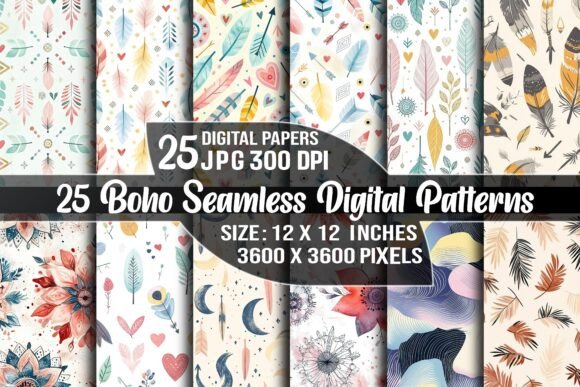
The seamless nature of these patterns is particularly significant. Unlike isolated clip-art elements that require manual positioning and scaling, seamless patterns tile perfectly in any direction. This allows for the creation of continuous backgrounds, wallpapers, and textures that feel cohesive and unbroken. The artistic depiction of various leaf patterns in soothing colors creates a harmonious visual field that can serve as a subtle backdrop, ensuring that foreground content remains readable while adding depth and character to the overall composition.
Technical Specifications and Quality Standards
When sourcing digital assets for professional or commercial projects, technical specifications are paramount. High-quality design relies heavily on resolution and format integrity. For instance, premium abstract leaf pattern assets often come in substantial dimensions, such as 4500 x 3000 pixels. This large file size ensures that the image retains sharpness even when scaled up for large-format printing, such as banners, wall murals, or packaging materials.
Furthermore, a resolution of 300 dpi (dots per inch) is the industry standard for print-ready graphics. At this density, individual pixels are too small for the human eye to distinguish, resulting in smooth gradients and crisp edges. In contrast, web-optimized images often operate at 72 dpi, which would appear pixelated if used for physical production. Therefore, having access to high-dpi files provides flexibility, allowing a single asset to be used across both digital and physical mediums without loss of quality.
The choice of file format also plays a critical role. While vector formats like SVG are popular for scalability, raster formats like JPEG are widely supported and ideal for complex, photorealistic, or painterly styles where gradient data is extensive. A JPEG format without a watermark ensures that the final product is clean and professional, free from distracting overlays that could detract from the artistic integrity of the design.
Practical Applications Across Industries
The utility of abstract leaf patterns extends far beyond simple decoration. Their adaptability makes them valuable tools in various sectors:
- Graphic Design and Branding: Businesses seeking to convey eco-friendliness, wellness, or organic values often turn to botanical themes. An abstract leaf pattern can serve as a background for business cards, letterheads, or social media posts, reinforcing brand identity through consistent visual language.
- Interior Design and Textiles: With the rise of direct-to-garment printing and custom home decor, consumers are increasingly interested in personalized items. High-resolution seamless patterns are perfect for creating fabric designs for curtains, upholstery, or apparel. The soothing colors ensure that the resulting textiles fit well within modern interior design schemes.
- Educational Materials: Educators can use these patterns to create engaging worksheets, presentation slides, or classroom decorations. The abstract nature allows the patterns to be visually stimulating without being overly distracting, helping to maintain student focus while providing a pleasant aesthetic environment.
- Digital Content Creation: Bloggers, YouTubers, and podcasters often need unique headers and thumbnails. Using abstract leaf patterns as background layers can add a layer of professionalism and uniqueness to digital content, distinguishing it from generic stock imagery.
The Workflow: From Purchase to Implementation
Understanding the delivery mechanism for digital assets is essential for a smooth creative process. When purchasing digital products, such as the Abstract Leaf Patterns Seamless collection, the transaction is typically immediate. Once the purchase is completed, customers gain access to download a zipped file containing the high-resolution assets. This instant availability allows creators to integrate the new assets into their projects without delay, maintaining momentum in their workflow.
However, because these are digital-only products, no physical item is shipped. It is important for buyers to manage their expectations regarding file handling. After downloading, users should extract the zip file to access the individual JPEG images. Before integrating these patterns into a design software, it is advisable to check the file properties to confirm the dimensions and resolution match the project requirements. For example, if designing for a mobile app, the full 4500 x 3000 pixel image might be overkill; cropping or resizing the asset within the design tool can optimize performance without sacrificing visual quality.
Considerations for Color Accuracy and Display
One of the most common challenges in digital design is color management. Screens and printers reproduce color differently due to variations in hardware, software settings, and lighting conditions. When viewing an artistic depiction of various leaf patterns on a monitor, the colors displayed may vary from the actual colors on the printed product. This discrepancy arises because monitors emit light (RGB color model), while printed materials reflect light (CMYK color model).
To mitigate this issue, designers should adopt best practices for color consistency:
- Soft Proofing: Use design software features that simulate how colors will look when printed. This helps identify potential shifts in hue or saturation before committing to a print run.
- Monitor Calibration: Regularly calibrate your display device to ensure accurate color representation. A calibrated monitor provides a more reliable reference point for making design decisions.
- Test Prints: Whenever possible, produce a small test print of the pattern. This allows you to see how the soothing colors translate to paper and make adjustments if necessary.
By acknowledging that all gadget monitors display colors differently, designers can approach color selection with a degree of flexibility and caution, ensuring that the final output aligns as closely as possible with the original artistic intent.
Maximizing Value Through Versatility
The true value of a high-quality digital asset lies in its reusability. A single Abstract Leaf Patterns Seamless file can be manipulated in numerous ways to create distinct looks. Designers can adjust opacity levels to create subtle watermarks, apply blending modes to interact with underlying text or images, or crop sections to create custom motifs. This versatility means that one purchase can support multiple projects, offering a cost-effective solution for individuals and businesses alike.
Moreover, the timeless nature of leaf motifs ensures that these assets remain relevant over time. Trends in design may shift, but the connection to nature is enduring. Investing in high-resolution, professionally designed patterns provides a foundation of quality that does not quickly become obsolete. This longevity is particularly beneficial for long-term branding projects or educational resources that may be used for several years.
Conclusion
Incorporating abstract leaf patterns into creative projects offers a powerful way to enhance visual appeal while maintaining clarity and professionalism. By leveraging high-resolution assets with proper technical specifications, creators can achieve stunning results across both digital and physical mediums. Understanding the nuances of color reproduction, file management, and application strategies ensures that these beautiful designs are utilized to their fullest potential. Whether you are enhancing a brand’s visual identity or simply adding a touch of nature-inspired elegance to your personal projects, the right abstract leaf pattern can make a significant difference.