Sewing Machine Cross Stitch Patterns PDF: A Practical Analysis of Digital Embroidery Assets
The intersection of traditional needlework and modern digital distribution has created a robust market for instant-access craft resources. Among these, Sewing Machine Cross Stitch Patterns PDF files have emerged as a preferred format for hobbyists and semi-professional embroiderers who value precision, portability, and immediate usability. Unlike physical kits that require shipping times and inventory management, digital pattern files offer an on-demand solution for creative projects. This analysis explores the structural integrity, practical application, and user experience associated with high-quality cross-stitch PDF schemes, specifically examining how they integrate into contemporary crafting workflows.
Understanding the Digital Pattern Format
A Cross Stitch Pattern PDF is not merely a picture; it is a technical blueprint for textile art. When evaluating a product labeled as a Sewing Machine Cross Stitch Patterns PDF, it is crucial to distinguish between machine-embroidery digitized files (typically .pes or .dst) and counted-cross-stitch charts rendered in PDF format. The latter serves as a visual guide for hand-stitching or for using specialized sewing machines equipped with cross-stitch feet, though the primary utility remains as a reference chart. These files replace the need for printed paper guides, allowing users to view instructions on tablets, laptops, or smartphones while working.
The core value proposition of this digital asset lies in its immediacy. Upon purchase, the buyer receives a compressed archive containing multiple document types designed to facilitate the stitching process without ambiguity. This instant download capability aligns perfectly with the expectations of modern creators who often work on tight schedules or spontaneous creative bursts. There is no waiting period, no risk of lost mail, and no additional shipping costs, making it an efficient choice for both personal enjoyment and small-scale commercial production.
Structural Components and Usability
A well-designed Cross Stitch Pattern file must provide all necessary information to execute the design accurately. Based on standard industry practices for premium digital patterns, the package typically includes several distinct components that work together to ensure clarity:
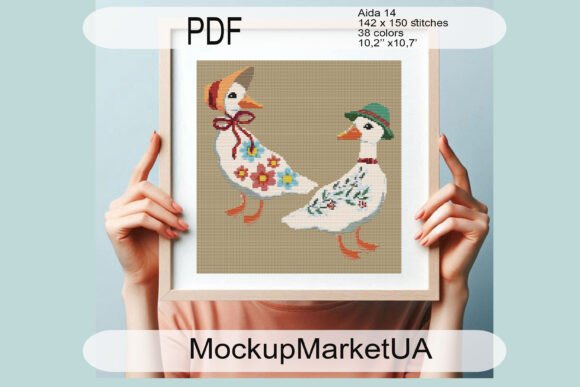
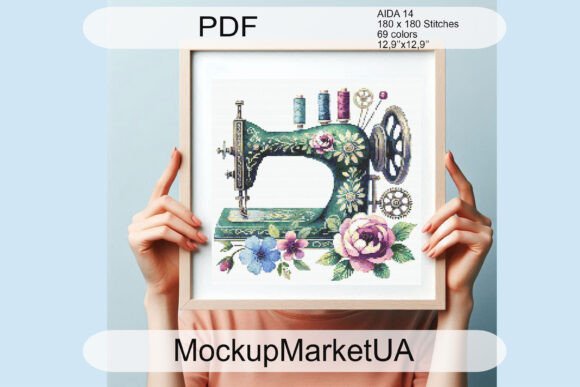
- Visual Mockup: A high-resolution image of the finished embroidery provides context. It helps the crafter visualize the final aesthetic, including texture depth and color blending, which can influence fabric and thread selection before starting.
- Color Legend: Precision is paramount in cross stitch. A reliable pattern includes a detailed legend mapping symbols to specific DMC Mouliné thread colors. Using standardized codes like DMC ensures that replacements are easy to find globally. For instance, a pattern might specify "DMC 69" for a specific shade, allowing users to purchase exact matches from any major retailer.
- Symbol Chart: This is the primary working document. It displays a grid where each square represents a stitch on the fabric. Symbols indicate stitch type (e.g., full stitch, half stitch, backstitch), while colors correspond to the floss. Clear, legible symbols are essential for reducing eye strain during long stitching sessions.
- Monochrome Chart: Often overlooked but highly valued by experienced stitchers, a black-and-white version allows users to print only what is needed or to view the chart on devices with limited color reproduction. It also aids in understanding the structural layout of the design without the distraction of color coding.
This multi-layered approach ensures that whether a user is printing pages to pin to their hoop or viewing the chart digitally, the information remains accessible and accurate. The inclusion of both color and monochrome options demonstrates a thoughtful consideration of different working environments and user preferences.
Technical Specifications and Sizing Flexibility
One of the most significant advantages of digital patterns over pre-packaged kits is the flexibility regarding fabric count and finished size. The specifications provided for this particular Sewing Machine Cross Stitch Patterns PDF indicate a base design of 180x180 stitches. However, the final dimensions vary depending on the Aida cloth count chosen by the creator. This scalability is a critical feature for professionals and serious hobbyists who may wish to create pieces of varying sizes for different frames or display contexts.
The mathematical relationship between stitch count, fabric density, and physical size is straightforward but requires careful planning. For example:
- 14 Count Aida: Produces a finished size of approximately 27.27 x 27.27 cm (10.75 x 10.75 inches). This is a standard size suitable for small wall hangings, ornaments, or framed gifts.
- 16 Count Aida: Reduces the size to roughly 23.8 x 23.8 cm (9.37 x 9.37 inches). This higher count results in finer detail and a smoother surface, ideal for intricate designs.
- 18 Count Aida: Yields a compact 21.12 x 21.12 cm (8.31 x 8.31 inches) piece. This is often used for delicate projects where fine resolution is prioritized over speed.
Understanding these metrics allows the user to select the appropriate fabric before purchasing materials. It also highlights the importance of checking the pattern’s recommended fabric count. If a pattern is optimized for 14-count but stitched on 18-count, the image will appear smaller and potentially lose some intended visual impact. Conversely, stitching on a lower count than recommended may result in a larger-than-intended piece that does not fit standard frames.
Evaluating Quality and Professional Standards
When assessing the quality of a Cross Stitch PDF, several factors come into play. First is the accuracy of the symbol-to-color mapping. Any discrepancy here leads to wasted time and incorrect stitching. Second is the clarity of the digital file itself. High-resolution PDFs ensure that symbols remain sharp even when zoomed in, which is crucial for identifying complex areas of the design. Third is the completeness of the instructions. A professional-grade pattern should anticipate common questions, such as how to handle transitions between colors or how to finish off threads.
The use of DMC Mouliné threads as the standard reference point is a strong indicator of quality. DMC is the global benchmark for cotton floss, known for its consistency in dye lots and fiber strength. By adhering to this standard, the pattern designer ensures that users worldwide can source materials easily. This compatibility reduces friction in the crafting process and enhances the overall user satisfaction.
Furthermore, the provision of a mockup image adds value by setting realistic expectations. While digital renders cannot perfectly replicate the texture of fabric or the sheen of silk threads, they provide a useful approximation of the color palette and composition. This helps manage expectations regarding the final look, especially for those who may be new to interpreting color charts.
User Experience and Limitations
While digital patterns offer numerous benefits, they also come with specific limitations that users must accept. The most notable is the non-refundable nature of digital goods. Because the product is delivered instantly via download, once the file is accessed, it cannot be returned. This policy protects the intellectual property of the designer but places the responsibility on the buyer to verify their order details before completing the transaction. It is advisable to review the pattern preview images carefully to ensure the style and complexity match one’s skill level and interests.
Another consideration is the requirement for digital literacy. Users must be comfortable downloading files, extracting zip archives, and opening PDF viewers. While this is trivial for most adults aged 20–50, it may present a barrier for older demographics less familiar with digital assets. Additionally, the restriction to personal use means that the pattern cannot be resold or distributed commercially. This is standard practice for independent designers but is important for entrepreneurs to note if they intend to produce finished goods for sale. In such cases, licensing agreements or commercial-use licenses would be necessary, which are not included in the standard purchase.
Target Audience and Practical Applications
This type of resource is particularly well-suited for individuals who value efficiency and customization. Freelancers and bloggers looking for unique content for their blogs or social media channels may find these patterns useful for creating handmade items to photograph and showcase. Educators teaching needlecraft can use digital patterns to demonstrate techniques without the cost of distributing physical kits to every student. Small business owners producing handmade crafts can leverage these patterns to test designs quickly and cheaply before committing to larger material purchases.
For the serious hobbyist, the ability to choose fabric count and stitch size offers a level of control that pre-made kits cannot match. It encourages experimentation with different materials and finishes, fostering a deeper engagement with the craft. The instant availability also supports impulsive creativity, allowing users to start a project immediately when inspiration strikes.
Conclusion on Utility and Value
The Sewing Machine Cross Stitch Patterns PDF represents a modern, efficient approach to traditional needlework. By combining precise technical data with flexible sizing options and instant accessibility, it caters to the needs of contemporary crafters who demand both convenience and quality. While the non-refundable policy and personal-use restrictions require careful consideration, the overall value proposition is strong for those willing to engage with the digital workflow. For anyone seeking to enhance their embroidery projects with professional-grade guidance, this digital asset offers a reliable and versatile foundation. The key to success lies in selecting the correct fabric count, verifying thread availability, and respecting the usage rights defined by the designer. When utilized correctly, these patterns serve as powerful tools for creating beautiful, personalized textile art.